

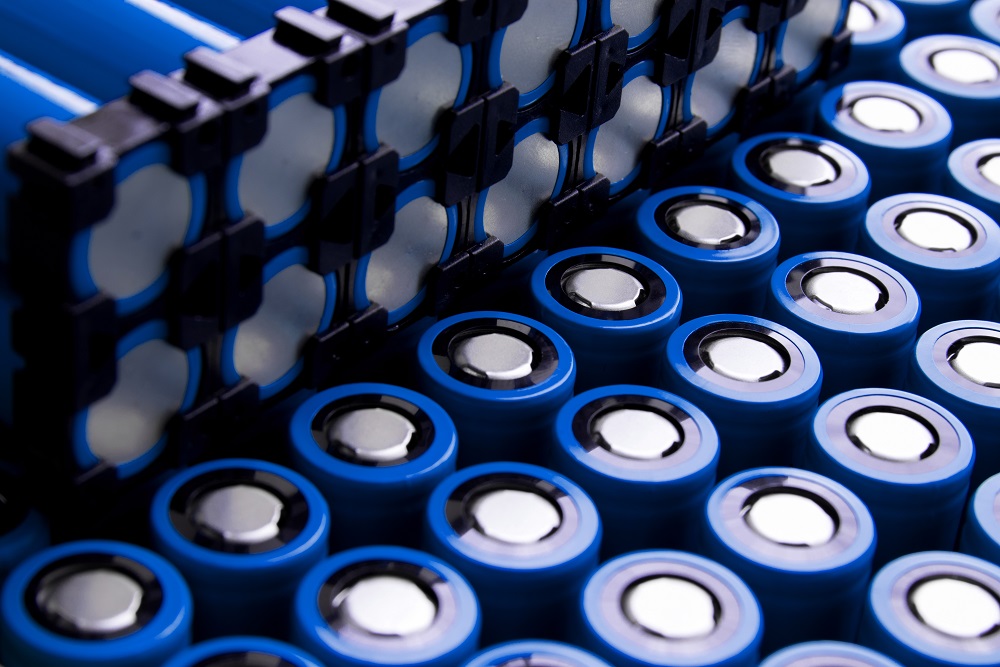

Lithium-ion batteries have led to much sustainable technology. And to see that this is so, we need only think of the emissions-free electric vehicles, available now from most car companies, or the much more energy efficient USB rechargeable smart batteries, manufactured by new tech companies like Pale Blue Earth, which are replacing traditional AA and AAA household batteries. Yes, li-ion batteries are touted as a green solution. But there is just one problem – the manufacture of the li-ion batteries themselves is not yet in any way sustainable.
So how can we make them more sustainable? The first thing to note here is that the question is not really one for the individual consumer. Wherever you are, you can either recycle li-ion batteries or you cannot – and sustainable manufacturing solutions are a goal that is on the scale of nations and multi-national corporations, not the green-savvy shopper.

The Harm of Li-Ion Battery Manufacture
The manufacture of lithium-ion batteries, as it is currently carried out, is unfortunately far from environmentally friendly. This is perhaps the biggest obstacle to overcome if lithium-ion batteries are to have an overall positive impact the environment. As things stand, the harm done by their manufacture is rather offsetting the environmental benefits of the products they power.
Lithium first needs to be mined, which is an energy-intensive process requiring large scale mining. To take one example, the Ganzizhou Rongda lithium mine in Tibet caused a minor ecological disaster when toxic chemicals leaked into a river from the mine, killing fish and other aquatic life en masse. Lithium mining releases toxic chemicals hitherto safely encased in the rock. In many cases, there is no way to avoid this (although mass leaks into rivers or drinking water sources can be ameliorated by proper safety infrastructure). There have been several other disasters like the one in Tibet and, in all cases, a harmful pollutant is released somewhere into the environment as a result of lithium mining.
And when it comes to the actual manufacture of lithium batteries, the problems arise instead from the polluting by-products of the process, the enormous amount of energy that it requires, and un-recyclability of many of the waste products from the process – including spent lithium batteries themselves. Less than 5% are recycled today, and it is estimated that, by 2030, there will be ten million metric tons of these batteries that will have reached the end of their lifespan. Undoubtedly, mining and manufacture are the twin environmental perils of lithium battery manufacture.
Possible Solutions
So, what can we do about it? There have been several possible solutions proposed, though none as yet have been implemented on any scale that would make a difference.
One solution is to create more efficient lithium battery recycling methods. The process currently uses environmentally harmful organic solvents, but new processes which do not are indeed in development. Another possible solution is to change the place we get lithium from entirely. Sourcing lithium from geothermal springs – i.e., from underground water and not rock – is one way to extract the stuff without a huge environmental impact and the release of dangerous chemicals. Such a source of lithium has been located in Cornwall, England and tests have shown it to be of an exceedingly high grade. More enterprises of this sort could well be the answer.
In the end, some of these plans will come to fruition while others will die on the vine. But if we are to make lithium technology a true environmental solution (and not just the next environmental problem) then it is clear that something needs to be done.


